Last reviewed
A good party feels effortless to the guests, but behind it there is usually a simple plan. This party planning checklist breaks the work into manageable stages, from the first decisions about six weeks out to the tidy-up afterwards. It works for a child’s birthday, a milestone celebration, a garden gathering or a relaxed evening with friends, and you can shorten each stage if you are planning at short notice.
Before you start: three decisions
Almost every other choice depends on three things, so settle them before you book or buy anything.
- Guest count. Write a rough list and count it. The number decides the venue, the food and how much help you need.
- Budget. Set a total you are comfortable with and split it between venue, food, drink, decorations and entertainment. Our guide to hosting a party on a budget has a simple split to start from.
- Venue and style. Decide whether it is at home, in a garden or park, or in a hired space, and whether it is a sit-down meal, a buffet, a drop-in afternoon or an activity party.
Six to eight weeks before
- Choose the date and a start and finish time, and check it suits the people you most want there.
- Book the venue if you are not hosting at home. Halls, function rooms and party venues go first.
- Book any entertainer, caterer, photographer or equipment hire, such as tables, chairs or a gazebo.
- Pick a theme if you want one. For children, see our children’s party theme ideas by age.
- Start a simple planning list or spreadsheet with tasks, costs and who is doing what.
Four weeks before
- Send invitations with the date, start and finish times, address, any dress code and a reply-by date. Ask guests to mention allergies or dietary needs when they reply.
- Plan the menu. Decide between finger food, a buffet or a meal, and use the party food calculator to estimate quantities from your guest count.
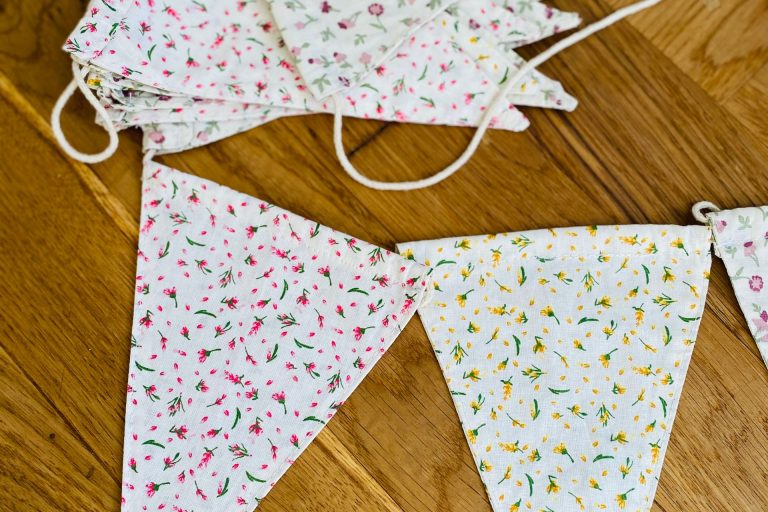
- Order a cake or plan to bake one, and order anything personalised, such as banners or name cards.
- Plan entertainment or activities and gather what you need, such as games, music or craft supplies.
- If you are hosting at home, think about parking, coats, toilets and a quiet room for anyone who needs a break.
Two weeks before
- Chase replies you have not had and confirm final numbers with the venue or caterer.
- Buy decorations, tableware, candles and party bags, if you are giving them.
- Make a playlist long enough to cover the whole party with some to spare.
- Ask for help. Give a friend or relative a clear job, such as greeting guests, running games or serving food.
- Write a rough running order with times, so everyone knows what happens when. Our children’s party timings guide has sample running orders.
The week before
- Do the main food shop, leaving fresh items such as bread, salad and fruit until the day before.
- Cook and freeze anything that keeps well, such as sauces, savoury pastries or cake layers.
- Check you have enough plates, cups, cutlery, serving dishes, ice and bin bags.
- Charge any speakers, cameras and phones you will use, and test any equipment.
- Plan where everything goes: the food table, drinks, gifts, coats and any activity areas.
The day before
- Pick up the cake and any hired equipment.
- Clean and clear the rooms you will use, and move breakable or precious items out of reach.
- Put up decorations that will not wilt or get in the way overnight.
- Prepare cold food, chop vegetables and chill drinks.
- Lay out tableware and serving dishes with a note of what goes in each, so helpers can set up quickly.
On the day
- Finish decorating and set up the food and drinks table an hour before guests arrive.
- Put out a bin and a recycling bag somewhere obvious, and keep a roll of kitchen paper handy.
- Give yourself half an hour to get ready before the first guest is due.
- Keep the running order somewhere visible, but be flexible if an activity is going well.
- Take a few photos early, before the room gets busy, and then enjoy the party.
After the party
- Pack away leftovers safely and promptly, and share them out if you have plenty.
- Return hired equipment and anything borrowed.
- Keep a list of who gave which gift, so thank-you notes are easy to write.
- Jot down what worked and what you would change. It makes the next party much easier to plan.
What to put in a party kit box
A small box kept to hand on the day saves a lot of running about. Pack scissors, sticky tape, spare batteries, a lighter or matches for the candles, a cake knife, a pen and paper, plasters, wet wipes, spare bin bags, a phone charger and a few spare party bags or prizes for unexpected guests.
Party planning FAQ
How far in advance should I plan a party?
Six to eight weeks is comfortable for most parties, especially if you need to book a venue or an entertainer. A small gathering at home can be planned in two or three weeks, as long as invitations go out early enough for guests to keep the date free.
How many people should I invite?
Start with the space and the budget. Allow enough room for guests to move around comfortably, and remember that not everyone will be able to come. For children’s parties, a common rule of thumb is to invite about the same number of children as the child’s age, plus one, for younger ages.
How much food do I need?
It depends on the time of day, the length of the party and whether you are serving a meal or snacks. The party food calculator works out quantities of savoury food, sweet food and drinks from your guest numbers, so you neither run out nor waste a lot.
Should I give party bags?
Party bags are a tradition at many children’s parties but they are never compulsory. A single small gift, a slice of cake to take home or something made during the party works just as well and costs less.
For more ideas, see our birthday celebration ideas, browse the celebrations section, or plan the presents with our birthday gifts by age.